7 Common Kitchen Decor Mistakes That Make Your Space Look Dated
Small, fixable choices — flat lighting, crowded counters, matched finishes — date a kitchen far more than...

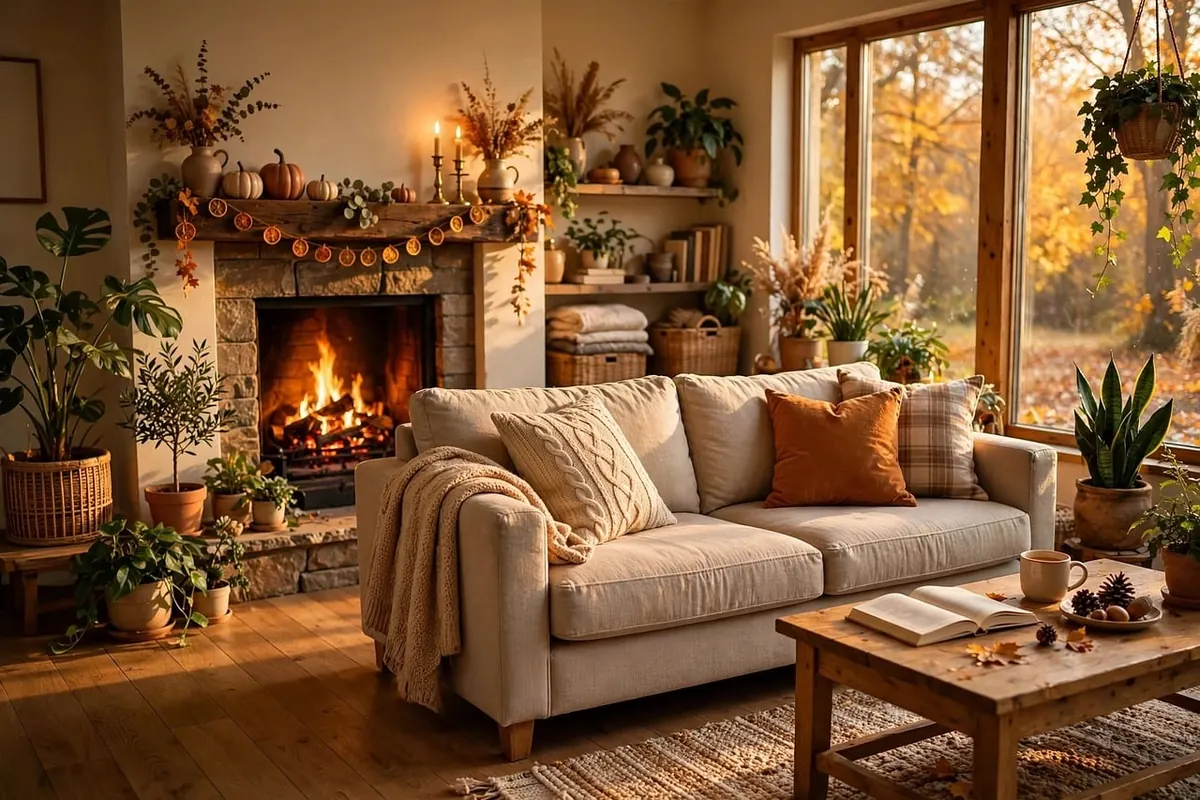
Autumn reaches the living room before it reaches anywhere else. The light comes in lower and warmer, the evenings close in earlier, and the breezy setup that worked in July suddenly reads a little cold. None of that requires a new sofa. A handful of deliberate swaps — pillow covers, a heavier throw, a different bulb — shift the mood faster than any furniture purchase, and each one can stay well under $100.
If you already own inserts, covers are the cheapest way to change a room. Two or three new covers cost far less than one filled designer pillow, and in spring you can fold them into a storage bin and go back to what you had.
For autumn, lean toward colors that pick up what's already in the room: rust, ochre, moss green, deep plum, tobacco brown. Ground them with one or two neutrals — oatmeal, camel, warm gray — so the sofa doesn't look like a paint swatch fan.
A few rules keep it from getting busy:
Add one velvet or bouclé lumbar at the front for texture and leave the rest simple. That single textural piece does more than four matching pillows.
Summer throws are thin for a reason. In autumn, weight is the point. Trade cotton or linen for chunky knit, brushed waffle weave, wool blend, or bouclé, and drape it where you actually sit: folded in thirds over the sofa back, or over one arm within reach.
Don't pack the light one away entirely. Layering a thin throw under a heavy one looks considered and lets you adjust through September, when afternoons still run warm. A second throw in a basket beside a reading chair adds texture without costing much — and it's where guests will reach first.
If you have pets or kids, choose something machine washable or at least easy to spot clean. A beautiful throw you're afraid to use isn't cozy; it's decoration with rules.
Most rooms feel cold in autumn because of bulb color, not furniture. Check the label: bulbs rated around 2700K give the warm, slightly golden light you want after dark. Bright daylight bulbs in the 4000–5000K range suit a workshop better than a living room at seven o'clock.
If your lamps have no dimmer, a plug-in dimmer or smart plug is an inexpensive upgrade that changes how a room feels at night.
Rooms that feel flat usually rely on one overhead fixture. Aim for a small cluster instead: a floor lamp behind a chair for ambient light, a table lamp beside the sofa for reading, and one low accent — a candle, a small lamp on a console, warm string lights in a glass jar. Vary the heights and the room instantly softens.
Fresh bouquets get expensive by October. Dried hydrangeas, branches cut from the yard, eucalyptus, wheat, or a few dried orange slices in a simple vase last all season and cost almost nothing.
On the coffee table, clear the summer clutter and leave one wooden tray or shallow bowl holding two or three small gourds or pumpkins. Grouping in odd numbers works; one larger object reads better than five small ones.
For scent, a candle, wax melts, or a simmer pot with cinnamon sticks, orange peel, and cloves does the job. Keep candles away from throws, curtains, and anything else that can catch, and never leave one burning when you leave the room. If you have pets, check a reliable pet-safety source before bringing home dried arrangements or new plants — some are toxic to cats and dogs, and dried stems sit right at tail height.
Bare floors read cold no matter what's on the sofa. If you already have a large neutral rug, layer a smaller patterned one on top — a flatweave or vintage-style piece in rust, faded red, or gold. Add a non-slip pad underneath and rug tape at the corners so nothing slides.
Measure the seating area before buying and plan for a few inches of floor showing on all sides. A rug that's too small makes a room look unfinished; slightly larger usually looks better.
You don't need to rehang the gallery wall. Swap one or two prints for warmer tones — amber, terracotta, deep green — and reuse frames you already own. Thrifted wooden frames painted in a single warm color can unify mismatched art for very little.
Then move a mirror if you have one. Hanging it opposite a lamp or window bounces light deeper into the room, which matters more as the days shorten.
Set aside one afternoon and work in this order:
Keep receipts and check return windows; colors look different at home than in a store. If you can only afford one upgrade, start with pillow covers and bulbs — together they change more than any single piece of furniture would. Prices vary by retailer, so compare before you commit. One throw you love will do more for a room than five things you bought only because they were on sale.
Small, fixable choices — flat lighting, crowded counters, matched finishes — date a kitchen far more than...
Smart layout, double-duty furniture and vertical storage let small city apartments feel open without...
Ten countertop items worth keeping out, plus placement rules, zone planning, and a five-minute reset that...