7 Common Kitchen Decor Mistakes That Make Your Space Look Dated
Small, fixable choices — flat lighting, crowded counters, matched finishes — date a kitchen far more than...

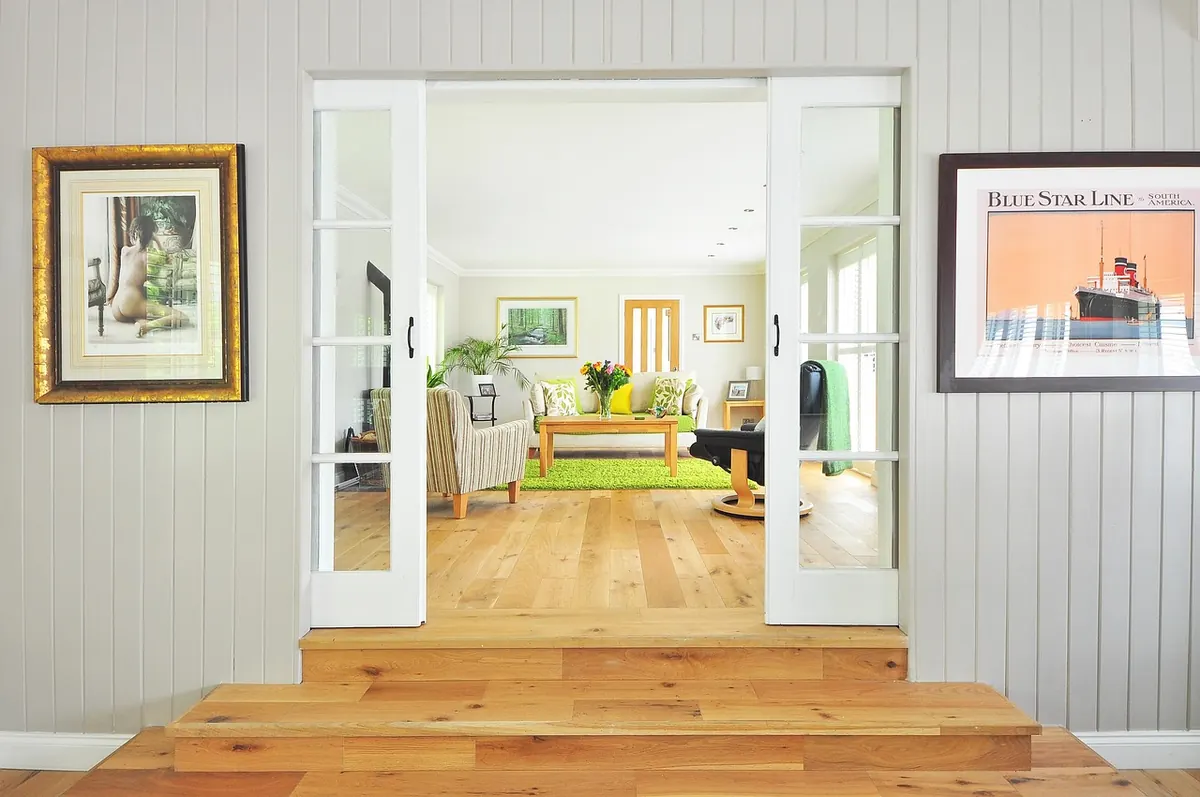
You have the sofa narrowed down, the paint swatch taped to the wall, and one decision left that somehow feels bigger than both: rug or carpet? Both soften a living room. Both cost real money. But they behave very differently once muddy shoes, shedding dogs, and barefoot movie nights enter the picture.
Here is a straight comparison of cost, upkeep, comfort, and style, plus a few rules of thumb you can carry into a showroom.
An area rug behaves like furniture. It has edges, a size you choose, and a spot it can be moved from. It defines the zone where people actually sit, and it can be rotated, layered, or replaced on its own. An 8-by-10 or 9-by-12 under a full seating group does work that no amount of rearranging can fake.
Wall-to-wall carpet is a finish, installed like a floor. It arrives on a broadloom roll, gets stretched over a pad, and is fastened to tack strips along the walls, covering every inch of the room. You cannot shift it a foot to the left when the layout changes. What it does better than any rug is make the whole floor soft, not just the part under the coffee table.
Rugs cover an enormous price range. A machine-made synthetic rug in a common size can cost less than a decent carpet pad; a hand-knotted wool rug in that same size can cost more than carpeting the entire room. Size drives the number more than anything else, and price per square foot climbs quickly with material quality.
Carpet is usually quoted per square foot for the material, then you add the pad, the installation labor, and the cost of removing whatever is on the floor now. Because it covers everything, a large living room swallows a lot of material in one go. The upside is that it is a single finished job. With rugs, you can start with one good piece and add a second later.
Budget for a quality pad either way. A pad keeps a rug from sliding and wearing thin at the edges, and under carpet it extends the life of the whole floor. Skipping it is the most common false economy in this decision.
Carpet absorbs everything: crumbs, pet hair, dust, spills, the occasional glass of red wine. Liquid that reaches the pad can leave an odor that surface cleaning will not fix. Traffic paths flatten and dull, and once carpet is stained or worn, you either replace the room or live with it. Plan on weekly vacuuming, prompt spot cleaning, and a deep clean every year or so.
Rugs have an advantage that is easy to underestimate: you can take them outside. Small rugs can be shaken or hosed down. Wool rugs can be sent out for professional cleaning. If a rug is ruined, you replace the rug, not the floor. Rotating it every six months keeps wear even, and moving it to another room gives you a new look for free.
One caveat worth taking seriously: any soft floor covering holds dust and allergens. If someone in your home deals with allergies or asthma, ask a doctor what makes sense for them, and lean on a vacuum with a good filter either way.
Carpet wins the barefoot test outright. It is warmer on a cold morning, quieter underfoot, and softer to sit on when the floor becomes overflow seating. In apartments and upstairs rooms, it absorbs footsteps, television noise, and conversation in a way rugs do only partly.
Rugs get you most of the way there in the area that counts. A thick wool or wool-blend rug over a dense pad feels plush right where your feet land, while the exposed hard floor around it stays easy to sweep and mop. For households that eat in the living room, that hard perimeter is a gift.
Carpet is uniform by nature, sold mostly in textures and a limited range of neutrals. It quiets a room without becoming a focal point. A rug can carry the color, pattern, and mood of the entire space, and it can be swapped when your taste moves on.
A quick way to sort out which fits:
You can also layer the two: carpet wall to wall, then a patterned rug on top to define the seating area. It is a common solution in carpeted apartments, and it works.
There is no single right answer, only a right answer for your room. If you want flexibility, easier cleaning, and a chance to show off your floors, buy the best rug and pad you can afford. If you want softness everywhere, less noise, and a warm surface from wall to wall, carpet is the honest choice. Either way, do not skip the pad. It is the difference between a floor covering that lasts and one that disappoints.
Photo: midascode / Pixabay
Small, fixable choices — flat lighting, crowded counters, matched finishes — date a kitchen far more than...
Smart layout, double-duty furniture and vertical storage let small city apartments feel open without...
Ten countertop items worth keeping out, plus placement rules, zone planning, and a five-minute reset that...