
7 Common Kitchen Decor Mistakes That Make Your Space Look Dated
Small, fixable choices — flat lighting, crowded counters, matched finishes — date a kitchen far more than...

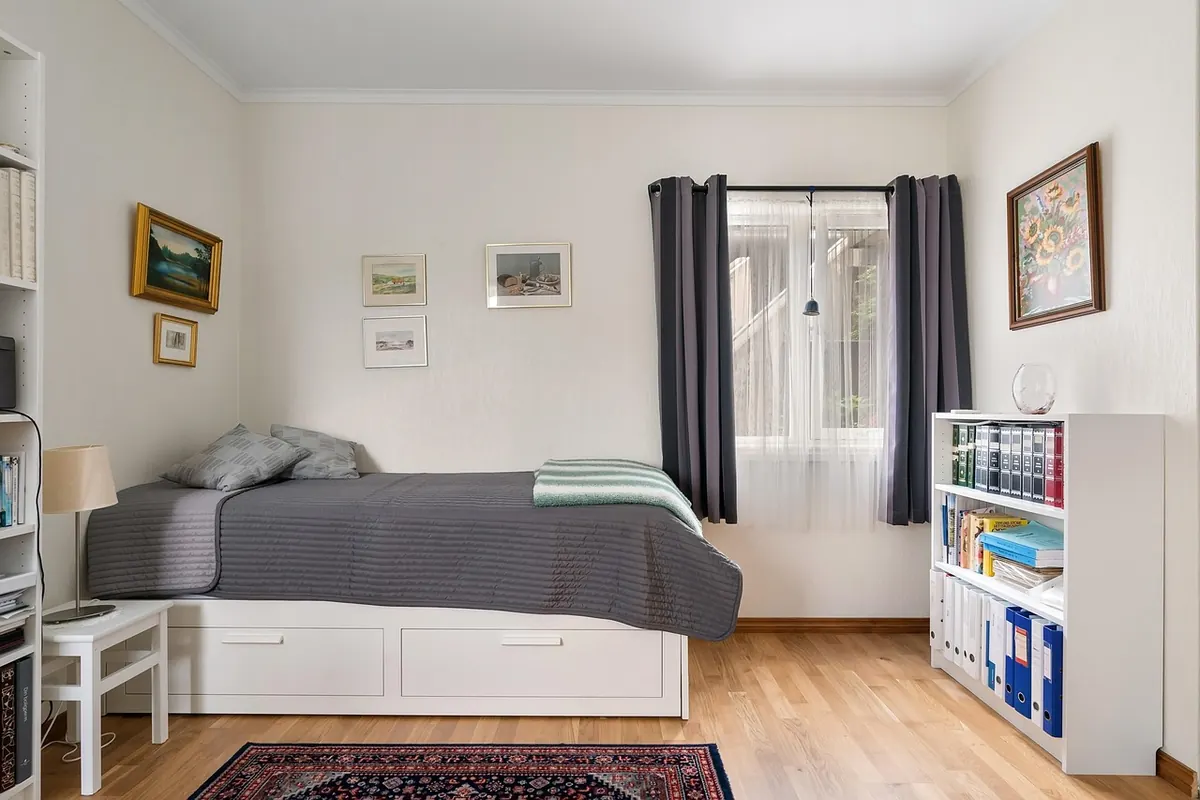
Spring cleaning has a good reputation: open the windows, let the breeze through, shake out the rugs. If you live with allergies, that breeze is part of the problem. Pollen rides in with it, and by evening it has found your pillow, your curtains, and the carpet under the bed — the surfaces you spend the most time closest to. A bedroom clean built for allergy sufferers isn't about scrubbing harder. It's about removing what you react to, then making it harder for those things to settle back in.
Bedrooms are different from the rest of the house because you spend seven or eight hours there unconscious, breathing slowly, face pressed into fabric. That's the reason this checklist is more careful than a general spring clean. Set aside a weekend morning, put on a mask if dust sets you off, and work from the ceiling down to the floor so you never clean the same surface twice.
Strip everything down to the mattress. Sheets and pillowcases get washed regularly, but this is the day the whole stack goes in: duvet cover, blanket, mattress pad, and the throw at the foot of the bed that mostly collects dust.
If you keep a second set of bedding in the closet, wash that as well before it goes back. Storing it dusty just delays the problem by a few months.
Vacuum both sides of the mattress with the upholstery attachment, spending time on the seams and any quilting where dust collects. Then fit a zippered allergen-proof encasement if you don't already use one, and wipe it down with a damp cloth once a month. While the mattress is bare, rotate or flip it.
Pillows deserve a hard look. Washable synthetic pillows generally do fine on a gentle cycle with two rinse cycles, then a long, hot dry. If a pillow is more than a couple of years old, lumpy, or yellowed, replacing it makes more sense than washing it. An upholstered headboard should get the same vacuum treatment as the mattress.
Under the bed is where dust goes to retire. Pull everything out, vacuum the floor and the underside of the frame, then put items back in sealed plastic bins rather than open boxes or fabric bags. If you can leave that space empty, do — fewer things under there means less to dust.
Curtains are the largest washable fabric in the room and the least often washed. Take them down. Most cotton and polyester panels can go through a gentle cycle, then hang back up slightly damp so they dry without wrinkles. Dry-clean-only drapes can be vacuumed with a brush attachment and then steamed, which loosens dust the vacuum leaves behind.
If your curtains are heavy and awkward to clean, this is a good year to switch to something washable — cotton, linen, or a simple roller shade. Vertical blinds can be wiped slat by slat with a damp microfiber cloth, working from the top of each slat downward so dust doesn't drop onto the ones you've already done.
Wash the inside of the window glass, then the frame, tracks, and sill, where pollen and grit collect in a grey line. Afterwards, close the windows. On high-pollen days, keep them shut and run air conditioning with a clean filter; write the installation date on the new filter so you know when it's due.
A feather duster lifts dust into the air, where it drifts around until it lands somewhere else — often your pillow. Use a damp microfiber cloth instead, rinse it often, and swap it for a clean one when it turns grey.
Order matters. Start with the ceiling fan and light fixtures, move to the tops of the wardrobe, shelves, and headboard, then the nightstands and dresser, and finish with the baseboards. Dust the nightstand first and everything above it lands on your work.
Slide an old pillowcase over each blade and pull it off slowly, so the dust ends up inside the bag instead of on your bed. Wipe the blades afterwards with a damp cloth, and don't skip the motor housing and pull chains. While you're up there, vacuum the air vents and return grilles, and run a lint roller over the lampshades.
Vacuum last. Use a machine with a HEPA filter if you have one, and go slowly — two passes over carpet, once in each direction, gives the vacuum time to pull dust out of the fibers rather than skim the surface. Cover the space under the bed, the strip along the baseboards, and behind the door. If you can move the bed, do it once and vacuum the entire footprint.
Wash small rugs; vacuum large ones on both sides. Baseboards get wiped with the same damp cloth you used on the furniture, and hard floors get mopped rather than swept, since sweeping just moves dust from one corner to another. If your allergies are significant and your bedroom has wall-to-wall carpet, replacing it with hard flooring and a washable rug is one of the few changes that makes a lasting difference.
The deep clean is the big job; maintenance is what keeps you comfortable. A handful of habits matter more than another round of scrubbing.
Symptoms that don't improve after a few weeks of consistent cleaning are worth mentioning to a doctor or allergist. Cleaning removes triggers, but it can't tell you which one is setting you off, and that answer is what makes the next season easier. Done properly, this list costs you one morning and buys you a whole spring of easier breathing. Start with the bed. It's the surface that matters most.
Photo: 23555986 / Pixabay
Small, fixable choices — flat lighting, crowded counters, matched finishes — date a kitchen far more than...
Smart layout, double-duty furniture and vertical storage let small city apartments feel open without...
Ten countertop items worth keeping out, plus placement rules, zone planning, and a five-minute reset that...